)



The Rise of Wood Wall Slat Panels: Why This Trend Is Transforming Modern Interiors in 2026
Interior design in 2026 is no longer just about how a space looks. It is about how it feels, how it sounds, and how well it supports the way we live and work. As homes become more open, more multifunctional, and more design-led, one material is quietly redefining modern wall treatments across the UK: wood wall slat panels, also known as acoustic wall panels.
Once reserved for high-end commercial interiors and architectural projects, wood slat panels have now moved firmly into residential design. Homeowners, interior designers, and developers are increasingly drawn to their ability to combine visual warmth, acoustic performance, and architectural structure in one clean, contemporary solution.
In this article, we explore why wood slat panels are one of the most important interior design trends of 2026, how they work, where they perform best, and how to use them effectively alongside tiles and other modern finishes to create spaces that feel both luxurious and liveable.
A Shift in How We Design Walls
Walls used to be an afterthought. Paint them white, maybe add wallpaper, and move on. But modern interiors demand more from every surface.
Open-plan layouts, porcelain flooring, large-format tiles, and minimal soft furnishings have created beautiful homes that often feel hard, both visually and acoustically. Sound travels freely. Echo builds. Rooms can feel cold and impersonal, even when styled with care.
Wood slat panels answer this problem in a way that feels intentional rather than technical.
They don’t look like acoustic products.
They look like designed architecture.
This is why they have become a defining feature in contemporary interiors rather than a passing trend.
1. The Acoustic Advantage: More Than Just a Pretty Wall
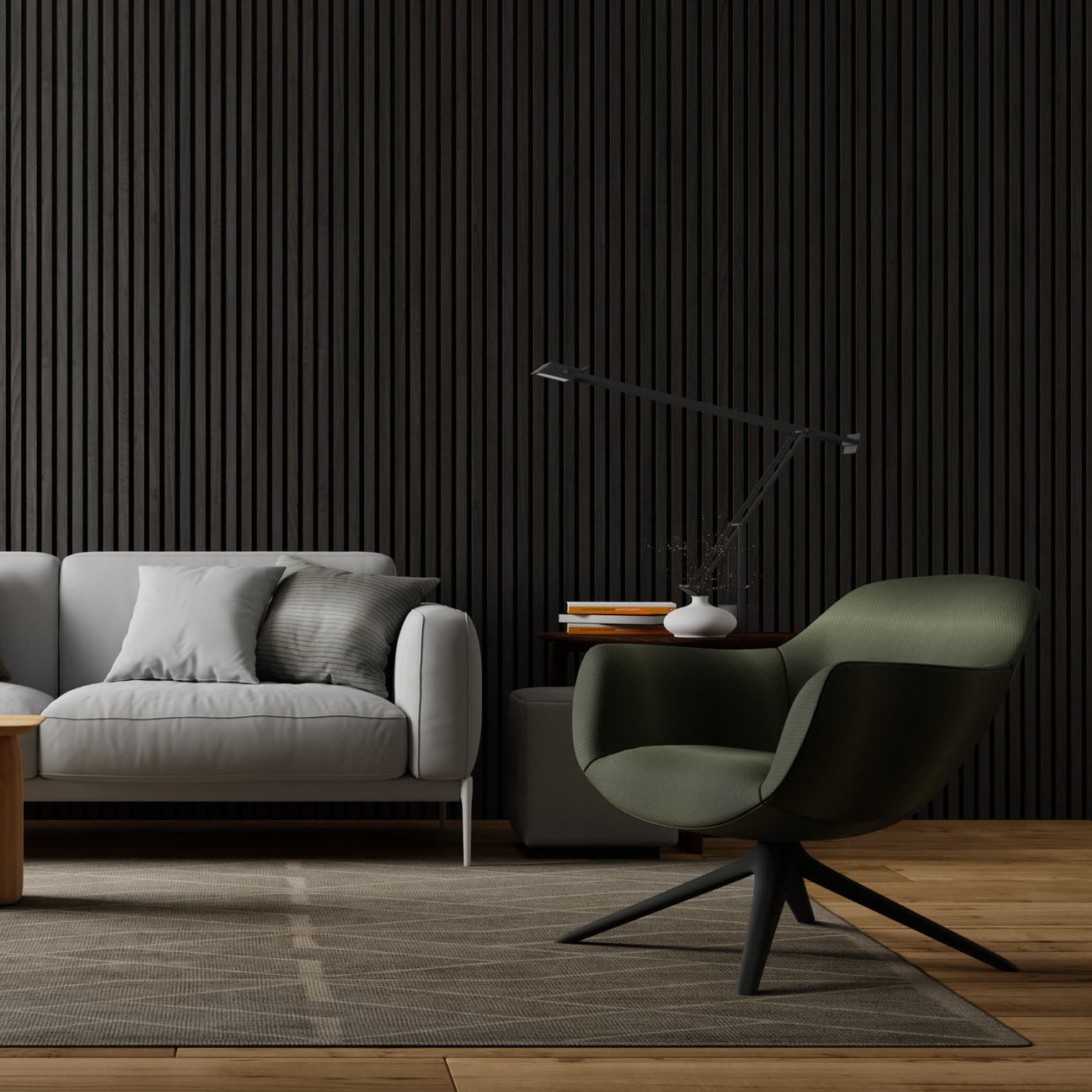
One of the biggest reasons homeowners search for acoustic wall panels is simple: modern spaces are loud. While mostly minimalistic and clean, homeowners and interior designers are looking for creativity and functionality. It is a great alternative to Wall Tiles or Splashbacks. Our Noir Midnight Black Acoustic Wood Wall Slat Panel is a perfect example of how modern Interiors create a clean and functional space for everyday live.
Why Modern Homes Need Acoustic Help
Several design choices common in UK homes actively amplify noise:
Open-plan living and kitchen areas have become a defining feature of modern UK homes, and for good reason. By removing internal walls, these layouts create a stronger sense of space, improve natural light flow, and allow different parts of the home to feel connected rather than segmented.
Hard flooring materials such as porcelain, natural stone, and concrete are a cornerstone of modern interior design. They are chosen for their durability, clean aesthetics, and ability to create seamless, open-plan spaces. Large-format porcelain tiles, polished concrete, and stone flooring provide a refined foundation that works across kitchens, living areas, and commercial interiors alike.
In many modern UK interiors, soft furnishings are intentionally kept to a minimum. Heavy curtains are replaced with sheer blinds or left out entirely, rugs are removed to showcase porcelain or stone flooring, and furniture is designed with slim profiles and minimal upholstery.
While this creates a clean, contemporary look, it also removes many of the elements that naturally absorb sound. By introducing sound-absorbing felt-backed panels onto walls, acoustic control is shifted from furniture to architecture. The panels absorb excess noise at ear level, where sound reflection is most disruptive, without requiring visual clutter or heavy textiles.
High ceilings and expansive glazing are key features of modern UK homes. They flood interiors with natural light, enhance the sense of space, and create a strong visual connection between indoors and outdoors. Architecturally, they make rooms feel open, airy, and premium.
High ceilings increase the volume of air within a space, allowing sound to travel further before dissipating. Large glass surfaces, such as sliding doors, floor-to-ceiling windows, and roof glazing, are highly reflective. Together, these elements cause sound to bounce vertically and horizontally, amplifying echo and background noise throughout the room.
By absorbing sound reflections that would otherwise bounce off glass and travel upward into tall ceilings, felt-backed slat panels reduce reverberation and soften the overall acoustic environment. While these elements look sleek, they reflect sound instead of absorbing it. The result is echo, background noise, and spaces that feel unsettled rather than calm.
How Wood Slat Panels Reduce Noise
Behind the vertical timber slats sits a dense acoustic felt backing. This backing absorbs sound waves, particularly mid and high frequencies, preventing them from bouncing around the room.
The result is:
-
Reduced echo
-
Clearer speech
-
Improved sound quality for TVs and speakers
-
A calmer, more comfortable atmosphere
This makes wood slat panels especially valuable in:
-
Living rooms with media systems:
In living rooms, sound from televisions and speakers can quickly become overwhelming, especially in open-plan layouts. Wood slat panels improve acoustic performance by absorbing reflected sound, making audio clearer and more enjoyable. They also enhance the visual impact of TV walls, combining function with design. Such as our Heritage Charred Oak Acoustic Wall Panels

- Home Offices and Hybrid Workspaces: In home offices, clear sound is essential for calls, virtual meetings, and focused work. Acoustic panels reduce echo and background noise, improving speech clarity and reducing listening fatigue. This makes working from home more comfortable and professional, even in shared or open spaces.
-
Bedrooms:
Bedrooms benefit from quieter, more acoustically controlled environments. Wood slat panels help absorb sound from adjoining rooms or external noise, contributing to better rest and relaxation. Visually, they also add warmth and depth, creating a calm, hotel-inspired atmosphere.
-
Kitchens connected to dining and seating areas:
In open-plan kitchen-diners, noise from appliances, cooking, and conversation can overlap. Wood slat panels help manage this by reducing sound reflection across connected zones. The result is a space that remains social and open but feels far less noisy and overwhelming.
It’s a form of quiet luxury, you do not see it working, but you feel the difference immediately.
2. Biophilic Design: Why Wood Makes Spaces Feel Better
Interior design trends in 2026 are increasingly driven by wellness. This is where biophilic design plays a key role, the idea that incorporating natural elements into interiors improves mental and emotional well-being.
Wood slat panels connect interiors back to nature without feeling rustic, country, or traditional.
Psychological Benefits of Natural Wood
-
Adds warmth to minimalist spaces:
Minimalist interiors often rely on clean lines, neutral colours, and hard surfaces, which can sometimes feel cold or impersonal. Natural wood introduces warmth through its organic texture and tonal variation, preventing spaces from feeling stark. Wood slat panels soften the visual impact of minimalist design while preserving its simplicity. This balance allows interiors to feel refined yet welcoming rather than overly austere.
-
Reduces visual stress in busy interiors: In visually complex spaces, the eye is constantly drawn to sharp contrasts, patterns, and reflective surfaces. Wood has a naturally calming effect because its grain and texture are familiar and easy for the brain to process. By introducing wood slat panels, visual noise is reduced, helping the space feel more composed and less overwhelming. This is particularly beneficial in open-plan homes where multiple zones coexist.
-
Makes large rooms feel more human and welcoming:
Large rooms can sometimes feel impersonal due to their scale, especially when paired with minimal furnishings. Wood slat panels help break down large wall surfaces into rhythmic, approachable sections. This adds a sense of proportion and intimacy, making expansive spaces feel more connected to human scale. The result is a room that feels impressive yet comfortable to inhabit.
-
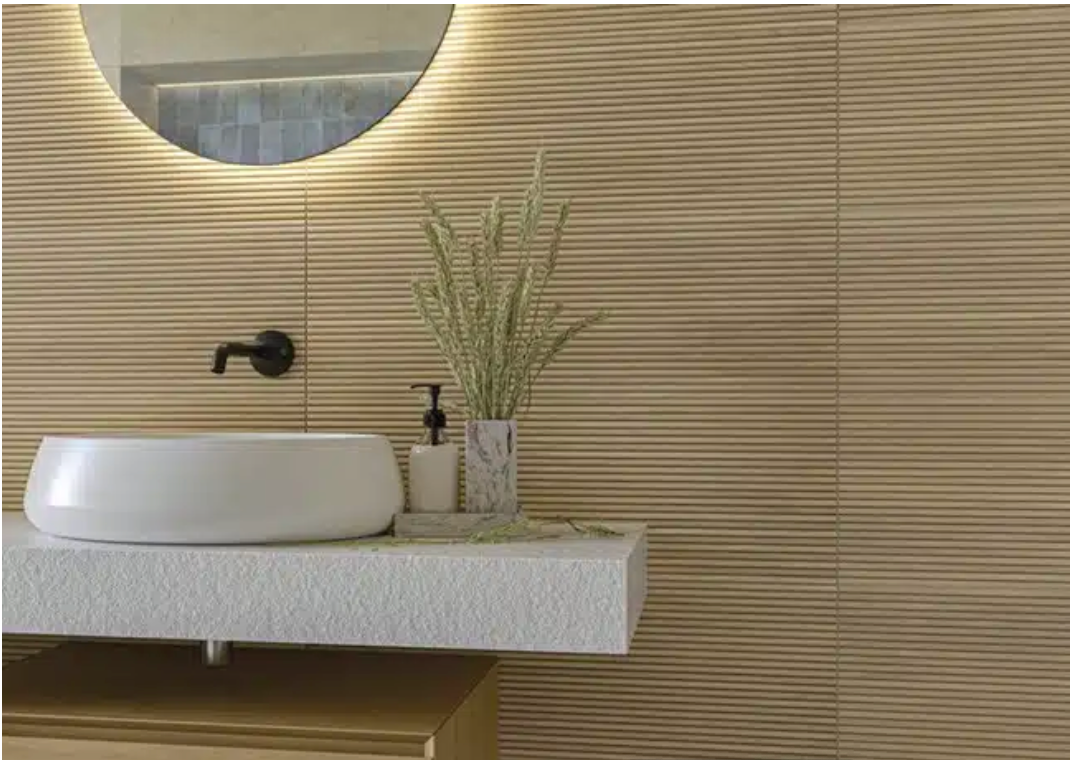
Encourages a sense of calm and balance: Natural materials have a stabilising effect on mood, and wood is one of the most effective in interior design. Its presence introduces balance by counteracting the hardness of stone, porcelain, glass, and concrete. Wood slat panels create an atmosphere that feels grounded and emotionally reassuring. This sense of calm supports both relaxation and focus in everyday living. Even in bathrooms it can be applied and enhances the Interior and feel of every room, such as with our Acoustic Wood Slat Hessian Ceramic Panel.
In a world dominated by screens, artificial lighting, and urban living, wood introduces a grounding element. It softens sharp lines, balances hard materials, and creates emotional comfort.
Wood slat panels are not purely decorative; they are restorative.
3. Vertical Rhythm: Why Slatted Design Feels So Modern
There’s a reason slatted walls feel architectural rather than decorative.
Vertical repetition creates rhythm, structure, and flow. It gives walls purpose without cluttering them with patterns or colours.
Why Vertical Lines Work So Well
-
Draw the eye upward, making ceilings feel higher
-
Create order in open-plan spaces
-
Add depth without overwhelming the room
Wood slat panels act like a visual metronome, steady, repeating, and calming. This makes them ideal for modern interiors that prioritise clean lines, proportion, and intentional design.
4. Versatility in Residential Interiors
One of the biggest advantages of wood wall panels in the UK is their adaptability. They work across different rooms, styles, and layouts.
Feature Walls
When used behind sofas, fireplaces, or dining areas, wood slat panels transform blank walls into architectural focal points. They add depth and rhythm without relying on bold colours or patterns, which helps maintain a calm, balanced aesthetic. Feature walls created with slat panels feel intentional and timeless, rather than trend-driven or decorative.

TV & Media Walls
Wood slat panels frame televisions in a clean and cohesive way, helping screens blend seamlessly into the overall design. Acoustically, they reduce echo and sound reflection, improving audio clarity for both speech and music. Visually, they prevent media walls from feeling stark or overly technical by introducing warmth and texture.
Bedroom Headboards
Full-height wood slat panels behind beds replace traditional headboards, creating a more integrated and architectural look. This approach frees up floor space and reduces visual clutter, which is especially beneficial in smaller bedrooms. The vertical lines also draw the eye upward, subtly enhancing the sense of height and calm within the room.
Hallways & Entrances
Hallways and entrances are often overlooked, yet they shape first impressions. Wood slat panels add instant character and warmth to these transitional spaces, making them feel considered rather than purely functional. They also help guide movement through the home, creating a sense of flow and continuity from room to room.
Ceilings
When applied to ceilings in dining rooms, entrances, or kitchen zones, wood slat panels introduce an unexpected layer of design. They add visual depth and help define specific areas within open-plan layouts without the need for partitions. This ceiling treatment creates a refined, architectural finish that elevates residential interiors beyond standard design solutions.
5. Installation & Practicality: Designed for Modern Renovation
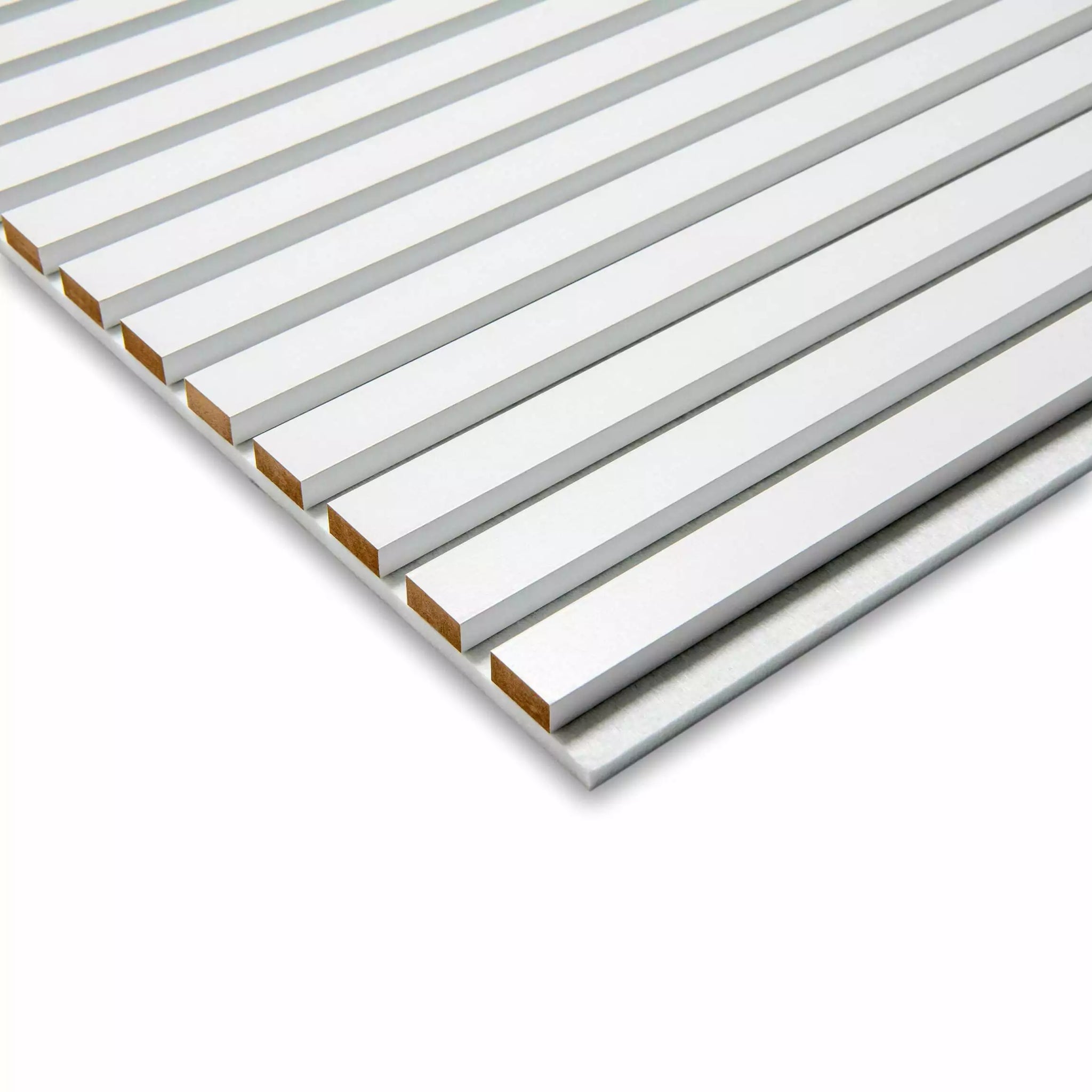
Wood slat panels have surged in popularity not just because they look good, but because they are remarkably practical. Our White Alpine Acoustic Wall Panels offer functionality, practiacality and an aesthetic design.
Compared to Traditional Panelling or Wallpaper
Wood slat panels have surged in popularity not just because they look good, but because they are remarkably practical when compared to traditional panelling or wallpaper. Installation is significantly faster, as the panels arrive pre-finished and ready to fix, removing the need for extensive preparation or multiple finishing stages. The process is also far cleaner, producing far less dust and disruption than conventional wall treatments, which makes them ideal for occupied homes and time-sensitive renovations.
Unlike bespoke timber panelling, wood slat panels do not require specialist joinery skills. They are designed to be accessible to both professionals and confident DIY installers, with straightforward fixing methods that reduce labour time and cost. Panels can also be cut to size on site, allowing for easy adjustment around sockets, switches, and architectural features. This combination of speed, simplicity, and flexibility makes wood slat panels a highly practical solution for modern renovations where efficiency and design quality are equally important.
Most panels can be:
-
Glued directly to walls
-
Fixed over battens
-
Installed over imperfect or uneven surfaces
For homeowners renovating on a schedule, or living in the property during works, this ease of installation is a major advantage.
6. Pairing Wood Slat Panels With Tiles: A Designer’s Approach
One of the most exciting interior design directions for 2026 is layered surfaces. Rather than relying on one material, designers are combining textures to create depth and contrast.
Marble Effect Tiles + Wood Slats
Marble-effect porcelain tiles bring a sense of elegance, light, and refinement to an interior. Their smooth, polished appearance reflects light and creates a feeling of openness, particularly in kitchens, bathrooms, and living areas. When paired with wood slat panels, the cool sophistication of marble is softened by the warmth and texture of natural timber. This combination balances luxury with comfort, resulting in spaces that feel high-end yet inviting rather than overly formal.
Hexagon Tiles + Slatted Walls
Hexagon tiles introduce movement and geometric interest, adding energy to walls and floors. Their repeating pattern creates visual dynamism, which can sometimes feel busy if left unbalanced. Vertical wood slat panels restore order and rhythm by introducing clean, linear structure alongside the geometry. This pairing works particularly well in kitchens and bathrooms, where design impact is important but visual clarity must be maintained.
Mother of Pearl Mosaics + Wood
Mother of pearl mosaics are prized for their luminous, reflective quality, catching light and adding subtle glamour to interior surfaces. When paired with matte wood slat panels, the contrast between shine and softness becomes more pronounced and sophisticated. The timber grounds the reflective surface, preventing it from feeling overly decorative or ostentatious. This combination is especially effective in feature zones, spa-style bathrooms, and hospitality-inspired interiors where understated luxury is key.
This layered approach to materials elevates interiors beyond flat, single-material designs. By combining texture, tone, and finish, spaces gain depth and character while remaining cohesive and timeless.
7. Commercial Applications: Where the Trend Began
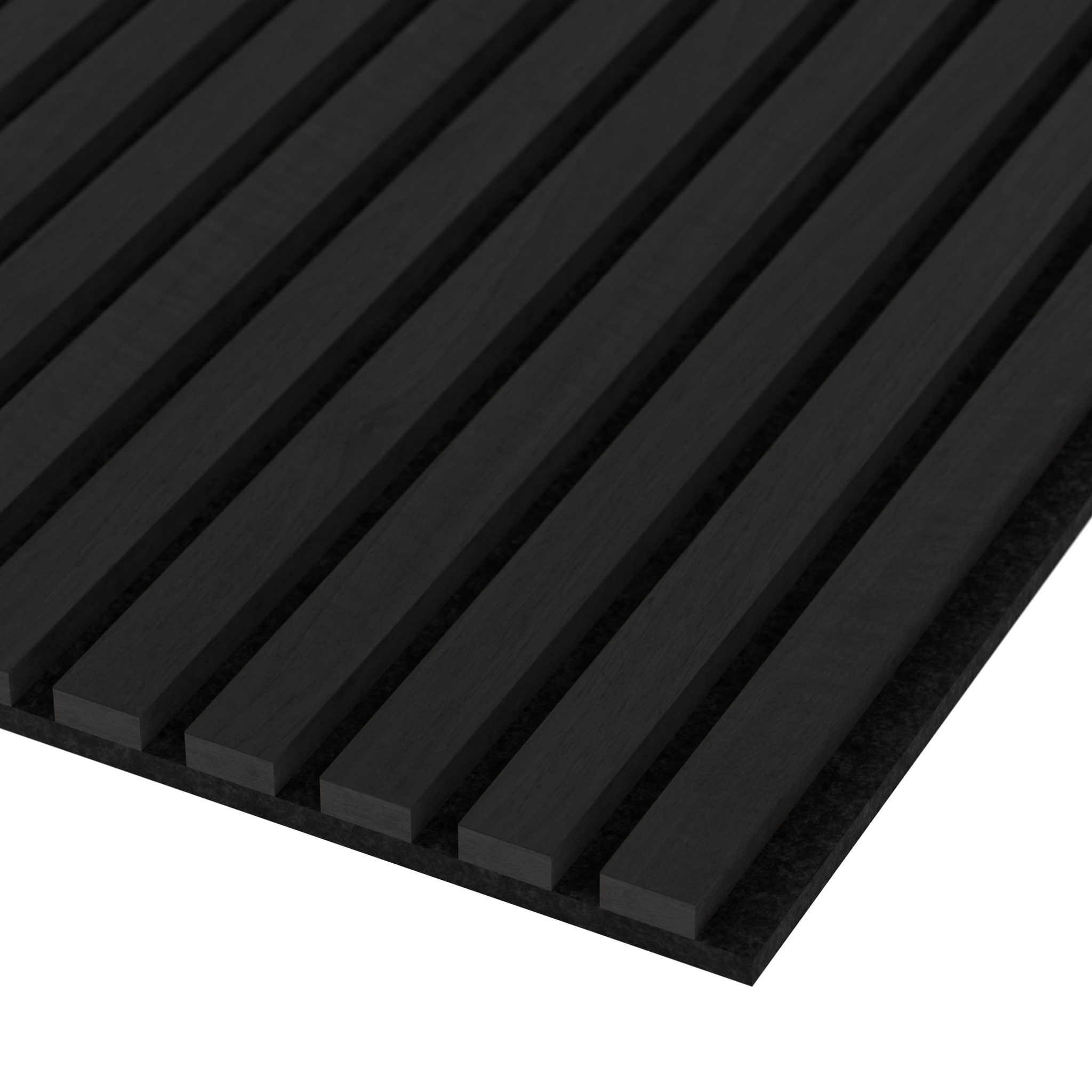
Commercial interiors were early adopters of wood slat acoustic panels, and they continue to shape how the trend evolves.
Common Commercial Uses
-
Restaurants to reduce ambient noise: In restaurants, excessive background noise can negatively affect the dining experience, making conversation difficult and increasing listener fatigue. Wood slat acoustic panels are commonly installed on feature walls, banquette backs, or along dining zones to absorb sound without disrupting the visual design. Unlike soft furnishings, they do not trap odours or require frequent maintenance, making them ideal for hospitality settings. The panels allow restaurants to maintain a lively atmosphere while keeping noise levels comfortable and controlled.
-
Hotel lobbies and corridors: Hotel lobbies and corridors experience constant movement, conversation, and rolling luggage, all of which contribute to elevated noise levels. Wood slat panels are often used behind reception desks, along corridor walls, or as feature backdrops to absorb sound and soften acoustics. Visually, they introduce warmth and refinement, helping guests feel relaxed upon arrival. Acoustically, they prevent sound from travelling excessively, maintaining a sense of calm and privacy throughout shared spaces.
-
Office reception areas: Office reception areas set the tone for a business, combining branding, functionality, and comfort. Wood slat acoustic panels are frequently used behind reception desks or on feature walls to create a polished, professional aesthetic. At the same time, they reduce echo caused by hard flooring, glass partitions, and high ceilings. This improves speech clarity and creates a more welcoming environment for both visitors and staff.
-
Meeting rooms and breakout spaces: In meeting rooms and breakout areas, clear communication is essential. Wood slat acoustic panels help absorb excess sound, reducing reverberation and preventing noise from carrying between adjacent spaces. They are often installed on key walls or as full-height features to balance sound absorption with design impact. The result is a space that supports concentration, collaboration, and comfort without feeling overly technical or corporate.
For businesses, these panels deliver:
-
Improved acoustics
-
A premium visual identity
-
Long-term durability
As residential interiors increasingly borrow from hospitality design, this crossover feels natural and inevitable.
8. Sustainability & Longevity: A Responsible Design Choice
Sustainability is no longer optional; it is an expectation in modern interior design. High-quality wood slat panels support this shift by offering a long lifespan that stands up to both daily use and changing design trends. Rather than dating quickly, natural timber ages gracefully, developing character over time instead of requiring replacement. Because these panels remain visually relevant and structurally durable for years, they reduce the need for frequent redecorating, making them a more responsible and sustainable choice for both residential and commercial interiors.
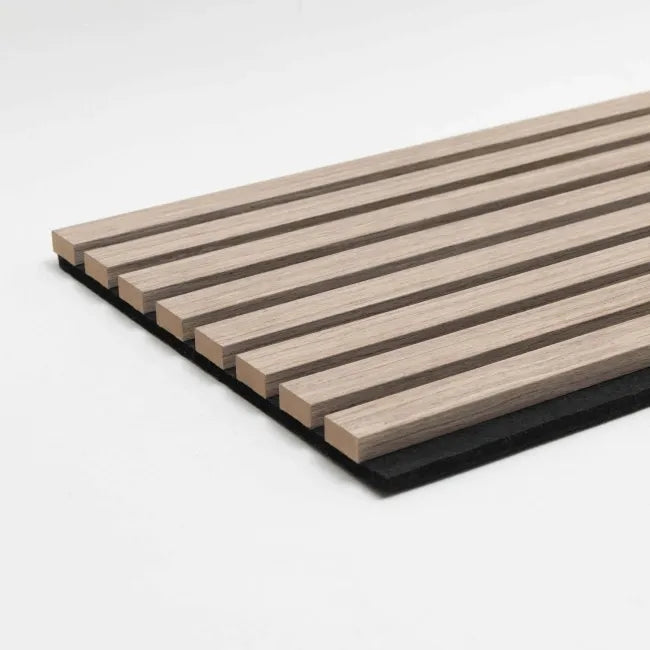
Many modern systems use:
-
Responsibly sourced timber
-
Recycled acoustic felt backings
Choosing materials that last is one of the most sustainable design decisions a homeowner or developer can make.
9. How to Choose the Right Wood Slat Panel
Not all wood slat panels are created equal. Choosing the right one depends on both aesthetic and functional needs.
Consider:
-
Slat spacing for acoustic performance
-
Timber tone to complement flooring and tiles
-
Panel depth for visual impact
-
Felt colour for contrast or subtlety
Lighter woods work well in Scandinavian-inspired interiors, while darker tones suit moody, hotel-style spaces.
10. Common Design Mistakes to Avoid
Even the best materials can fall flat if they are used without restraint or attention to detail. One of the most common mistakes is overusing wood slat panels on every wall, which can overwhelm a space and dilute their architectural impact. Lighting is another critical factor often overlooked; without wall washers or well-placed downlights, the texture and depth of the slats can be lost, reducing their visual effect.
Alignment also plays a key role in the overall finish. Poorly resolved corners, uneven ceiling junctions, or misaligned panels can disrupt the clean, linear rhythm that makes slat panels so effective. Finally, mismatched tones between wood panels, flooring, and tiles can create visual tension rather than harmony. When used thoughtfully and in balance with surrounding materials, wood slat panels elevate a space; when overused or poorly coordinated, they quickly lose their impact.
Why Wood Slat Panels Define Interior Design Trends for 2026
Trends come and go, but solutions that solve multiple problems endure.
Wood slat panels:
-
Improve acoustics
-
Support wellbeing
-
Add architectural interest
-
Pair seamlessly with tiles
-
Work in residential and commercial spaces
They represent a shift towards intentional interior spaces that look good, sound good, and feel good to live in.
Final Thoughts: A Modern Wall Treatment That Does It All
In 2026, walls are no longer passive backdrops. They are active design elements that shape atmosphere, comfort, and experience.
Wood wall slat panels represent the future of interior surfaces, where function and beauty are no longer separate.
For homeowners, designers, and developers looking for feature wall ideas that go beyond trends, this is a material worth investing in.
If tiles are the foundation of a space, wood slat panels are the architectural soul.


